Ocher & Shadow: The Rise of Rammed Earth Lodges in Santa Fe
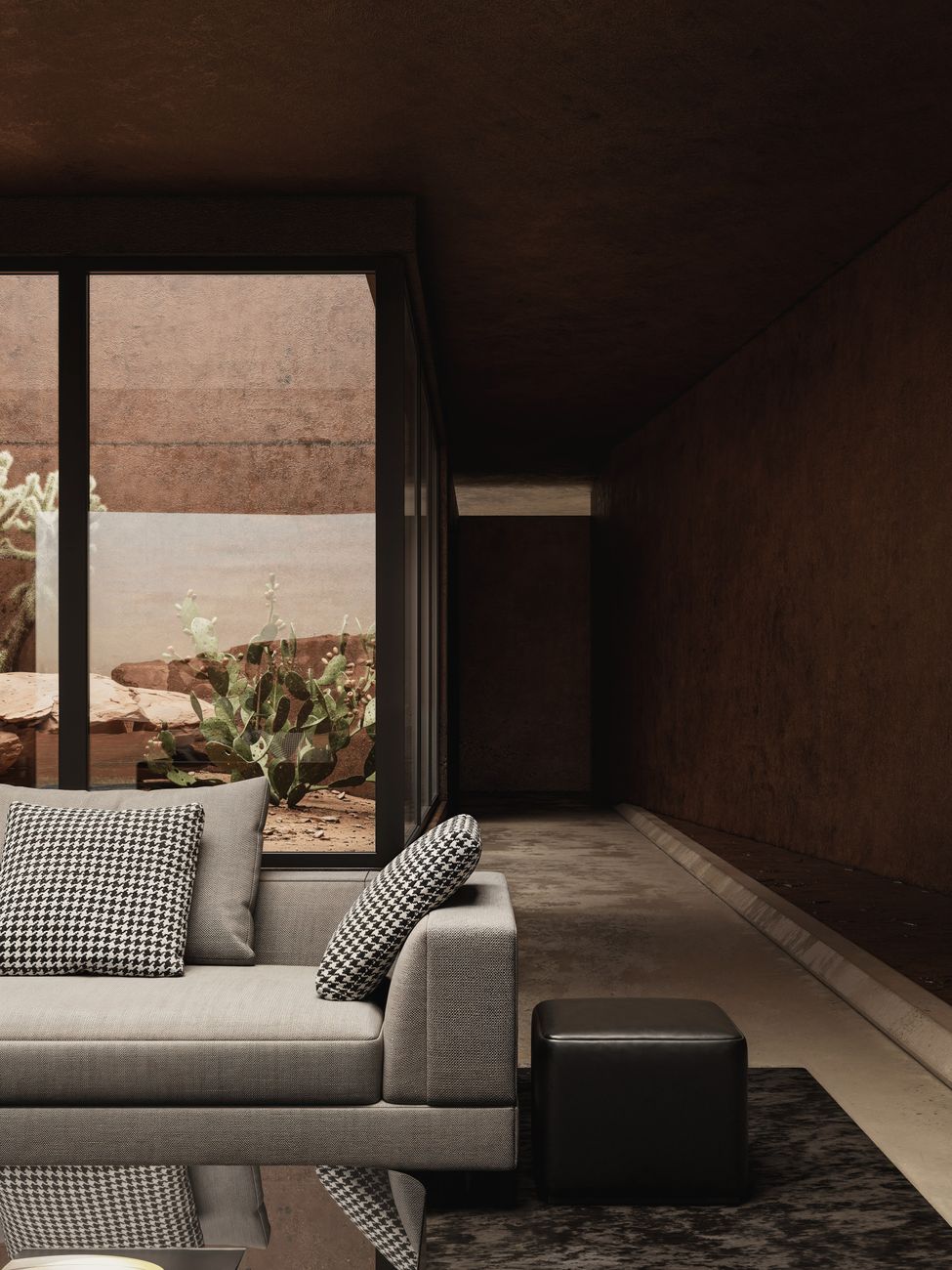
The high desert plateau of New Mexico commands respect through silence. Beneath the immense turquoise skies of Santa Fe, a modern architectural movement has abandoned synthetic glass facades in favor of the earth itself.
Drawing direct heritage from the Puebloan mud builders and Spanish colonial missions, contemporary sanctuaries utilize compressed subsoil mixed with gravel and stabilized clays. These thick walls provide immense thermal mass, absorbing the searing daytime heat and slowly radiating it into living quarters as desert temperatures plummet after sundown.
Tonal Symbiosis with Landscape
Unlike steel structures that impose themselves upon the terrain, these rammed-earth structures look as if they rose organically from the soil. The strata layers within the compressed walls evoke geological history, revealing bands of terracotta, pale sand, and charcoal ash. Unadorned courtyards embrace pinon pine trees, casting sharp angular shadows that shift with solar alignment.
“Good design in the desert does not resist climate—it acts as an instrument that plays in harmony with ambient air and sunlight.”
The Quietude of Earth
Inside, acoustic resonance changes completely. The massive earth walls absorb ambient noise, creating an interior sanctuary akin to a monastery. Combined with polished concrete floors, linen drapery, and low-slung oak furniture, the environment invites prolonged reading, contemplation, and restorative rest.