The Solitary Coastline: Journeying Through Brittany’s Coastal Granites
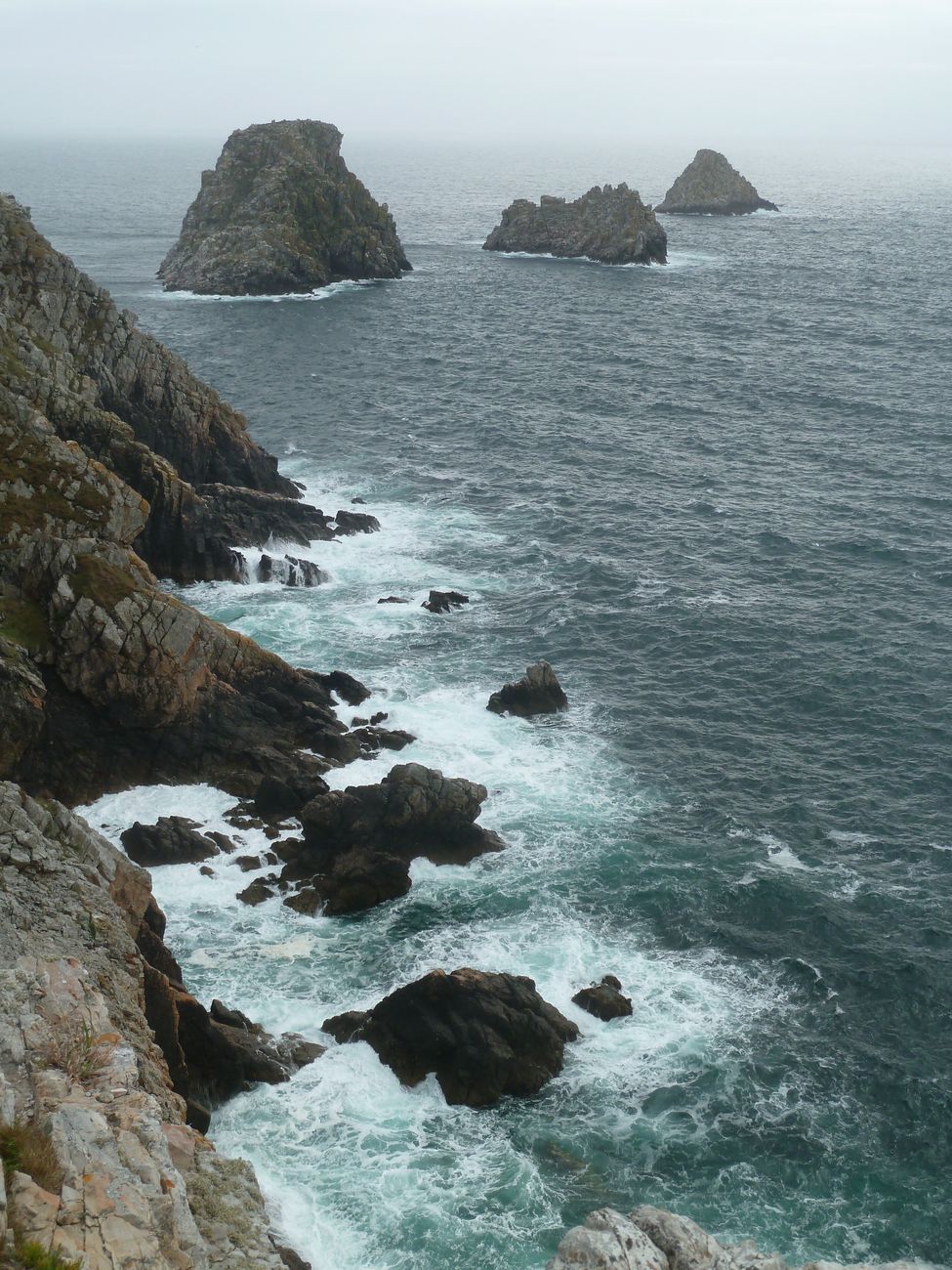
There is a specific quality of twilight in Finistère when the English Channel yields to the open Atlantic. The granite shores, sculpted by millenia of relentless brine, take on the color of bruised slate, framed by wild gorse blossoms that stubbornly endure the spray.
Walking along the Sentier des Douaniers—a trail originally carved during the French Revolution to intercept smugglers—one experiences Europe stripped of noise. Modern velocity dissipates against the rhythmic roar of the swells striking the cliffs of Cap Fréhel.
Architecture Carved From Salt
The vernacular structures of northern Brittany remain masterclasses in climate resilience. Built with massive stone blocks extracted directly from regional quarries, the traditional penty cottages feature steep slate roofs oriented away from prevailing westerly gales. In the village of Saint-Suliac, tiny alleyways deliberately twist to break wind funnels, creating sheltered pockets where fig trees quietly prosper.
“To travel here is not to check boxes; it is to submit one’s rhythm to the tidal clock that dictates the opening of ports and the harvesting of oysters.”
The Terroir of the Sea
In Cancale, oysters have been cultivated since Roman antiquity. Down at the port of La Houle, low tide exposes thousands of trestles stretching toward Mont-Saint-Michel Bay. The oysters here carry an unmistakable mineral finish, reflecting the immense thirty-foot tidal variations that aerate the beds twice every day. Served simply with crusty rye sourdough and cultured Breton butter, the meal stands as a monument to unpretentious sensory precision.